

AMD's Advancing AI 2026 Draws 2,000+ Developers, Launches ROCm.ai
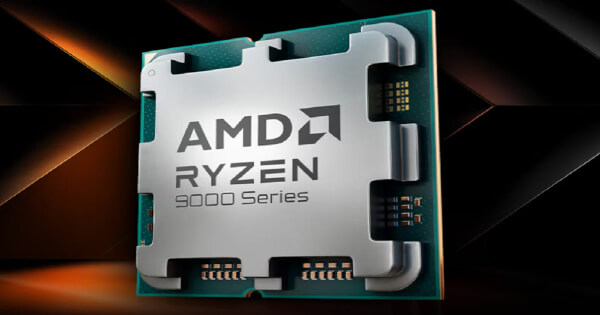
AMD's Advancing AI 2026 hosted 2,000+ developers, showcasing ROCm.ai tools, workshops, and open-source advancements for AI innovation. (Read More)
AMD's Advancing AI 2026 conference, held July 22–23 at San Francisco's Moscone Center, brought together over 2,000 developers for two packed days of technical sessions, workshops, and hands-on demos. The event underscored AMD’s ambitions to strengthen its position in the AI infrastructure market, showcasing new tools like ROCm.ai and fostering collaboration in the open-source and developer communities. The conference opened with a keynote from AMD CEO Dr. Lisa Su, setting a strategic tone for the sessions. Fireside chats featuring AI thought leaders covered topics ranging from scaling AI systems to optimizing inference performance. Interest was so high that many rooms couldn’t accommodate the crowds, with lines forming outside fully booked sessions. Across 16 technical talks, topics spanned modern AI frameworks, optimization techniques, and next-gen workloads. Key Announcements: ROCm.ai and Certification Program A major highlight was the launch of ROCm.ai, an AI-native developer platform built on AMD’s ROCm ecosystem. The tool is designed to help developers analyze, optimize, and accelerate AI workloads on AMD hardware, spanning experimentation to deployment. According to AMD, the platform aims to simplify AI development and drive innovation by streamlining performance optimization workflows for its GPU and CPU product lines. Developers can explore ROCm.ai here. In addition, AMD announced the ROCm Certified Associate program, a structured training path for AI and high-performance computing (HPC) developers. The program includes hands-on training on ROCm fundamentals, AMD GPU architecture, PyTorch workflows, and CUDA-to-HIP porting. The initial sessions reached capacity quickly, reflecting strong demand for AMD-focused AI expertise. Workshops and Real-World Application Building The event emphasized practical learning through 44 hours of hands-on workshops. Developers worked with cutting-edge frameworks and tools to build AI applications from scratch. For example, in "Build Your OpenClaw Agent with Multi-Modal Models," participants paired open-source models with inference frameworks like vLLM and SGLang. Another session, "Building Hybrid Multi-Agent Systems," explored splitting workloads between AMD Ryzen AI-powered local devices and AMD Instinct GPU cloud clusters. Physical AI and robotics were also central themes, with focused workshops on deploying Vision-Language-Action (VLA) models, optimizing vision kernels via ROCm, and building end-to-end robotics workflows using ROS 2. Interactive demos, such as the "Mini Reachy" robotics display, highlighted the integration of AI, computer vision, and robotics on AMD platforms. Open-Source Collaboration Open-source development played a prominent role, with core developer meetups facilitating direct interaction between contributors and users. Discussions revolved around frameworks, tooling, and the future direction of open-source AI ecosystems. This aligns with AMD’s strategy to deepen its partnerships with cloud and AI software organizations, positioning itself as a robust alternative to competitors like NVIDIA in the AI infrastructure market. Takeaways and What’s Next Advancing AI 2026 demonstrated AMD’s growing influence in the AI space, not just through hardware but by fostering a vibrant developer ecosystem. Attendees left with new skills, certifications, and even AMD hardware prizes, awarded through the "Developer Quest" competition. For those who couldn’t attend, technical talks will be uploaded to the AMD Developer YouTube channel. Looking ahead, AMD is building on the momentum with initiatives like the global AI DevMaster Hackathon, which features tracks on multimodal AI, agentic AI, and physical AI. As AMD continues to expand its developer ecosystem, its focus on practical tools like ROCm.ai and open-source collaboration could make it a serious contender in the rapidly evolving AI infrastructure market. Image source: Shutterstock
This is a summary. Read the full article at the original source.
Read full article at blockchain_news