

Bank of Singapore Sees China Entering a New «Renaissance»
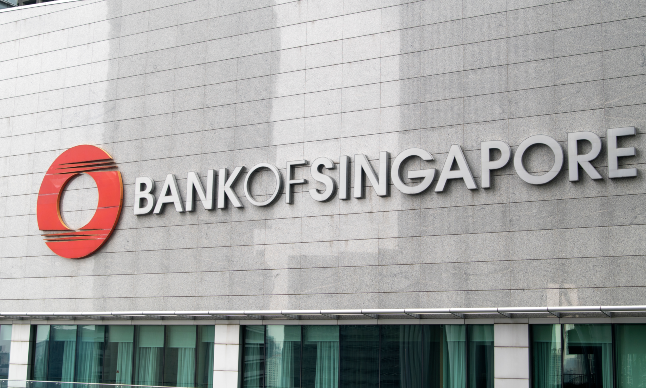
After years of economic recalibration and investor skepticism, China could be entering a new phase. Bank of Singapore sees the world’s second-largest economy moving toward a «renaissance», driven by advanced manufacturing, artificial intelligence and the digital economy – with potentially significant implications for global investors. Bank of Singapore is making the case for a renewed look at China. In its « 2026 Supertrends: Cycles, Halos and Moonshots » report, the Singapore-based private bank identifies China’s Renaissance as one of five structural trends it expects to shape investment markets toward 2030. The others are geopolitical chokepoints, a new approach to portfolio construction, the broadening impact of artificial intelligence and the rapidly expanding longevity economy. But for Asian investors, the China call stands out. From Recalibration to Renaissance Bank of Singapore argues that China has emerged from a period of economic recalibration and is entering what it describes as a «renaissance phase». The bank sees economic opportunities emerging from higher-value-added products and services as the country develops its digital economy. It also expects North Asia’s growing position in advanced manufacturing – particularly industries supporting the development of AI – to become an important source of investment returns. A strengthening Chinese renminbi could provide an additional tailwind, according to the report. The thesis represents a notable shift in perspective after several difficult years for Chinese assets, during which investors have had to contend with a prolonged property downturn, weaker domestic demand and geopolitical tensions. AI Changes the Investment Map China’s potential revival is closely connected to another of Bank of Singapore’s major investment themes: artificial intelligence. The private bank expects the investment universe benefiting from AI growth to expand well beyond a narrow group of technology stocks. Opportunities are likely to emerge across asset classes, including equities and fixed income as well as public and private markets. That could favor North Asia, where advanced manufacturing, semiconductors and the broader technology supply chain play an increasingly important role in the global AI ecosystem. At the same time, geopolitics remains a major risk. A More Fragmented World Bank of Singapore expects investors to operate in a world increasingly shaped by strategic chokepoints – from shipping routes and energy supplies to semiconductors and critical minerals. The report argues that countries are increasingly able to use control over such resources and infrastructure for strategic or economic leverage. China’s position in rare earths and other critical materials is one example of how concentrated supply chains can become geopolitical instruments. This more fragmented global order could keep inflation structurally higher, government deficits elevated and long-term bond yields volatile. Dollar Faces Longer-Term Pressure The changing global landscape could also have significant consequences for currencies. While Bank of Singapore sees scope for the US dollar to strengthen modestly over the next 12 months, its longer-term assessment is more bearish. Large fiscal and current account deficits, combined with potential political pressure on the Federal Reserve, could put the greenback on a multi-year downtrend for the remainder of the decade. Against that backdrop, the private bank expects safe-haven assets to remain in demand. It sees gold, the Swiss franc and the Singapore dollar potentially playing more significant roles as investors seek alternatives to traditional government bonds as portfolio hedges. For investors, the broader message is that the next phase of Asian growth may look very different from the last: less dependent on globalization in its traditional form and increasingly shaped by technology, strategic supply chains and the competition for critical resources.
Bank of Singapore Sees China Entering a New «Renaissance» After years of economic recalibration and investor skepticism, China could be entering a new phase. Bank of Singapore sees the world’s second-largest economy moving toward a «renaissance», driven by advanced manufacturing, artificial intelligence and the digital economy – with potentially significant implications for global investors. Bank of Singapore is making the case for a renewed look at China. In its «2026 Supertrends: Cycles, Halos and Moonshots» report, the Singapore-based private bank identifies China’s Renaissance as one of five structural trends it expects to shape investment markets toward 2030. The others are geopolitical chokepoints, a new approach to portfolio construction, the broadening impact of artificial intelligence and the rapidly expanding longevity economy. But for Asian investors, the China call stands out. From Recalibration to Renaissance Bank of Singapore argues that China has emerged from a period of economic recalibration and is entering what it describes as a «renaissance phase». The bank sees economic opportunities emerging from higher-value-added products and services as the country develops its digital economy. It also expects North Asia’s growing position in advanced manufacturing – particularly industries supporting the development of AI – to become an important source of investment returns. A strengthening Chinese renminbi could provide an additional tailwind, according to the report. The thesis represents a notable shift in perspective after several difficult years for Chinese assets, during which investors have had to contend with a prolonged property downturn, weaker domestic demand and geopolitical tensions. AI Changes the Investment Map China’s potential revival is closely connected to another of Bank of Singapore’s major investment themes: artificial intelligence. The private bank expects the investment universe benefiting from AI growth to expand well beyond a narrow group of technology stocks. Opportunities are likely to emerge across asset classes, including equities and fixed income as well as public and private markets. That could favor North Asia, where advanced manufacturing, semiconductors and the broader technology supply chain play an increasingly important role in the global AI ecosystem. At the same time, geopolitics remains a major risk. A More Fragmented World Bank of Singapore expects investors to operate in a world increasingly shaped by strategic chokepoints – from shipping routes and energy supplies to semiconductors and critical minerals. The report argues that countries are increasingly able to use control over such resources and infrastructure for strategic or economic leverage. China’s position in rare earths and other critical materials is one example of how concentrated supply chains can become geopolitical instruments. This more fragmented global order could keep inflation structurally higher, government deficits elevated and long-term bond yields volatile. Dollar Faces Longer-Term Pressure The changing global landscape could also have significant consequences for currencies. While Bank of Singapore sees scope for the US dollar to strengthen modestly over the next 12 months, its longer-term assessment is more bearish. Large fiscal and current account deficits, combined with potential political pressure on the Federal Reserve, could put the greenback on a multi-year downtrend for the remainder of the decade. Against that backdrop, the private bank expects safe-haven assets to remain in demand. It sees gold, the Swiss franc and the Singapore dollar potentially playing more significant roles as investors seek alternatives to traditional government bonds as portfolio hedges. For investors, the broader message is that the next phase of Asian growth may look very different from the last: less dependent on globalization in its traditional form and increasingly shaped by technology, strategic supply chains and the competition for critical resources.
This is a summary. Read the full article at the original source.
Read full article at finews_asia