

GE HealthCare eyes integrated imaging with Intelerad acquisition
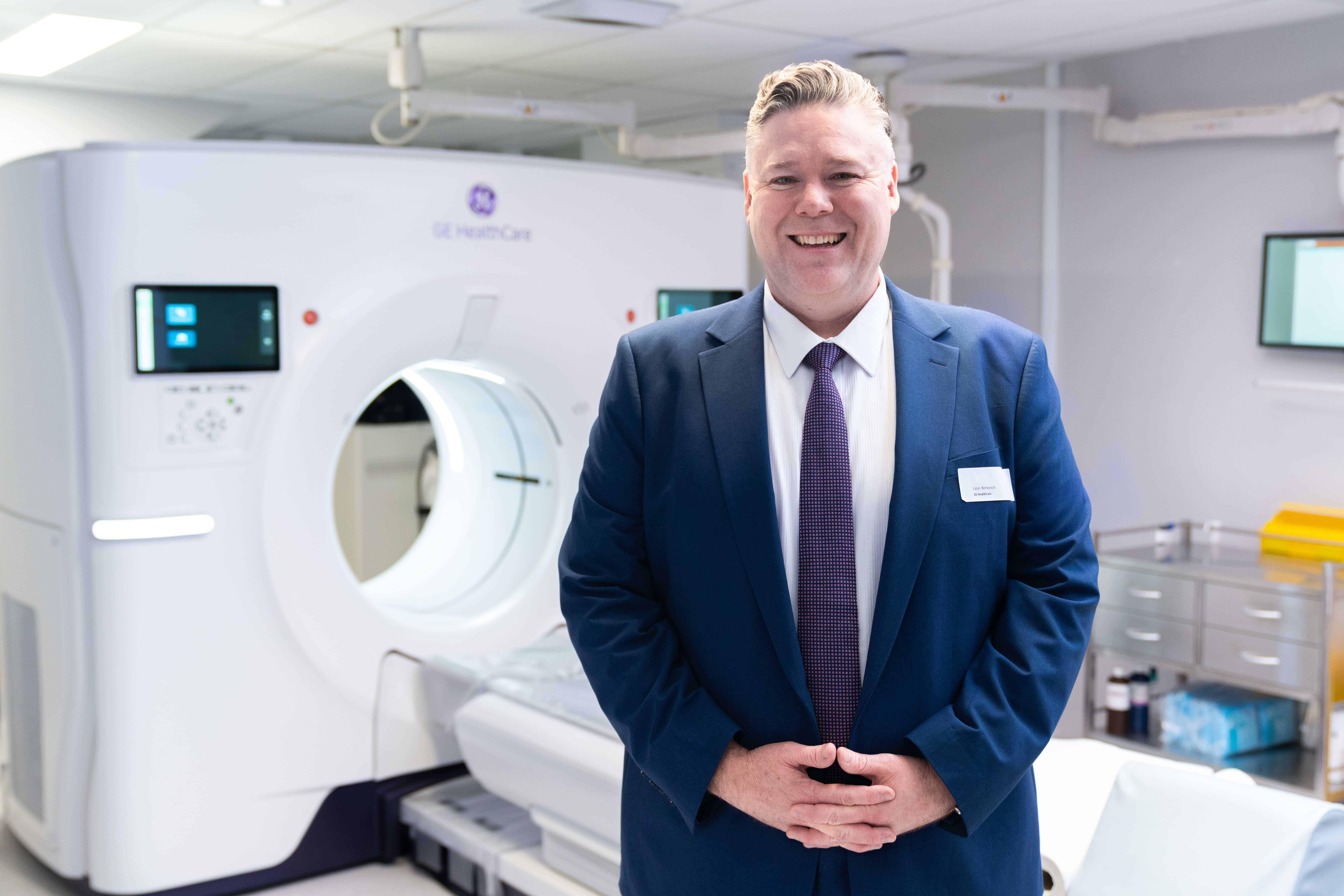
GE HealthCare expects its US$2.3 billion acquisition of medical imaging software company Intelerad to reshape how imaging data is delivered to clinicians, with Australia and New Zealand likely to see a gradual rollout of new enterprise imaging capabilities over the next two to three years. GE HealthCare ANZ chief executive Leon Berkovich told Pulse+IT the [...]
GE HealthCare expects its US$2.3 billion acquisition of medical imaging software company Intelerad to reshape how imaging data is delivered to clinicians, with Australia and New Zealand likely to see a gradual rollout of new enterprise imaging capabilities over the next two to three years. GE HealthCare ANZ chief executive Leon Berkovich told Pulse+IT the acquisition represented a strategic move beyond imaging devices towards integrated digital workflows that support more personalised care. STRATEGY “It really is centred around what we call our D3 strategy – devices across disease states connected digitally, Mr Berkovich said, adding that GE had spent years embedding artificial intelligence into its imaging portfolio – with the next stage focused on connecting imaging, clinical workflows and data across specialties. “We realise the magic really happens once that’s all integrated and digitally served up and enabled for the clinicians,” Mr Berkovich said, describing the acquisition as GE HealthCare’s largest globally and noting Intelerad’s cloud-focused imaging software would become a key part of the company’s enterprise imaging strategy. “At the moment, it’s very much business as usual in the short term for all of our customers. But over the next three years you’ll see GE’s advancement in those technologies be taken to market appropriately. “Our focus is to continue to assist productivity and help clinicians get the best information – Intelerad is another part of the puzzle, where we can digitally provide that interoperability data.” Interoperability would be a major focus, with Mr Berkovich noting that GE’s software platforms were designed to integrate information from multiple vendors, rather than creating another standalone ecosystem. “The system that we provide does pull that data from all the different devices. It’s vendor agnostic, so it can actually take from other vendors.” He said bringing multiple clinical datasets together was fundamental to enabling more personalised treatment. “Having all those different data sources being able to be served up in one single point for the different clinical stakeholders is where precision medicine actually occurs – that’s why it’s critical that a clinician is not having to get multiple different data sets.” Mr Berkovich pointed to GE’s statewide cardiovascular information system rollout for Queensland Health as an example of how integrated imaging and clinical information could support clinicians across a patient’s care journey. PARTNERSHIPS The company was also continuing research and clinical partnerships across Australia and New Zealand, including with Mātai Medical Research Institute in Gisborne – where GE Healthcare provides imaging technology and scientific support for research – as well as with hospitals such as the Alfred. Mr Berkovich said partnerships were tailored to individual organisations rather than following a single model. “These sorts of partnerships are nurtured very well. Different partners are looking for different needs. We’re not exclusive in any way. We shape programs specifically with different relationships depending on their needs and how we can support them.” Looking ahead, Mr Berkovich said integrating Intelerad would remain GE HealthCare’s primary focus over the next year, with broader product integration expected over a longer timeframe. “This is about one plus one equals five – it’s not about acquiring a business and pulling synergies out. The specialisation that we have in that business is very critical and will be absolutely preserved.” He said GE planned to combine research and development investment to accelerate new software capabilities. “We’ll combine our R&D investment and probably add significant R&D investment to accelerate some of Intelerad’s roadmaps. It’s probably a two to three-year horizon.” Mr Berkovich also noted the healthcare technology sector was also undergoing a broader shift, with hospitals increasingly viewing imaging through an enterprise IT lens rather than simply as medical equipment. “You’re seeing this significant change from device companies, to a total IT value proposition as well, which is really exciting. “It’s the only way I think that we can support the industry’s productivity challenges. We know the benefits of IT and AI – workforce shortages, the pressures that are on hospital budgets, insurers, payers and patients. “Continuous investment in evolving our investment in IT is the only way that we can help solve that problem.”
This is a summary. Read the full article at the original source.
Read full article at pulseit_news