

How A Cheaper MacBook Helped Apple Set A June Quarter Record While Windows Laptops Got Pricier
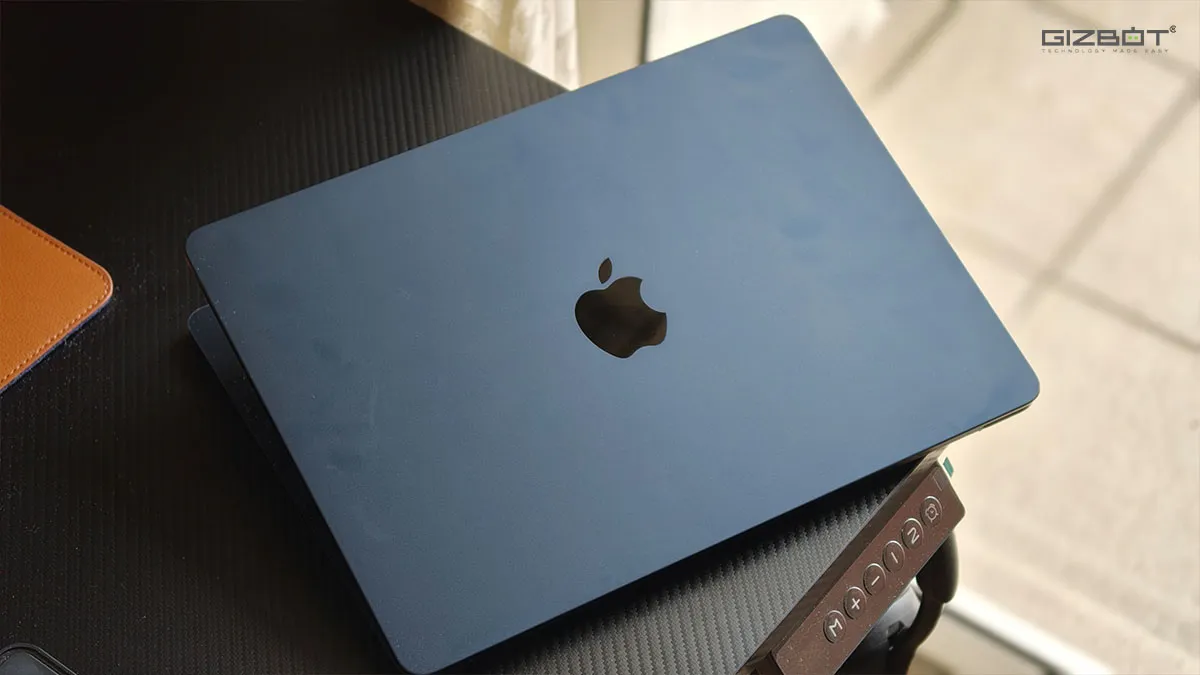
Apple's Mac revenue grew 29% to cross $10 billion in the June quarter, driven by the MacBook Neo, even as the wider PC market battles memory cost inflation.
The headline number from Apples June quarter was the $109 billion in revenue, but the more interesting story sits a little lower down the earnings sheet, because the Mac grew 29 percent year on year and crossed $10 billion for the first time in a June quarter.That is a striking number in isolation, and it becomes stranger still when you look at the rest of the laptop market, which is currently dealing with memory inflation and soft consumer demand, according to Counterpoint Research.In other words, the entire category is getting more expensive to build at exactly the moment buyers are least willing to spend, and Apple has managed to grow through it.The reason, largely, is the MacBook Neo, which was available for a full quarter for the first time and has clearly done what Apple designed it to do.Counterpoints Associate Director David Naranjo says the Neo has expanded Apples addressable market by landing at a more attractive price point for students, first-time Mac buyers, and people who would otherwise have picked up a Windows machine.There is a trade-off buried in that, of course, because a cheaper MacBook naturally pulls down average selling prices, and Apple has historically been reluctant to do anything that shrinks its margins per unit.What appears to have happened instead is that the additional volume, along with continuing demand for the MacBook Air and MacBook Pro at the top of the range, more than covered the ASP dip and expanded Apples installed base in the process.That last part matters more than the quarterly revenue figure, because every new Mac user is a potential Services customer, an iPhone upgrader, and someone far less likely to switch back to Windows a few years from now.For markets like India, where the entry-level laptop segment is where the volume actually is and where Apple has traditionally been a premium-only proposition, this is the more consequential shift.A Mac that competes at a Windows price point changes the shape of that conversation entirely, and if the memory cost pressure on PC makers continues into the second half as Counterpoint expects, Apple may end up with an unusually clear run at buyers it has never really had access to before.
This is a summary. Read the full article at the original source.
Read full article at gizbot