

India orders companies to drop 'energy drink' label from high-caffeine beverages
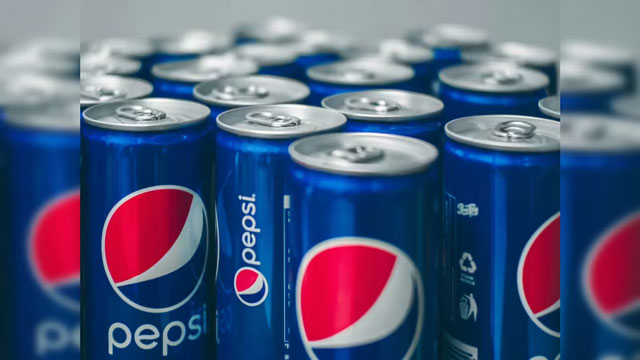
Daijiworld Media Network - New Delhi New Delhi, Jul 27: India has directed manufacturers of high-caffeine beverages marketed as "energy drinks" to stop using the description, rejecting industry attempts to delay the move as regulators tighten rules in one of the world's fastest-growing b....
Daijiworld Media Network - New Delhi New Delhi, Jul 27: India has directed manufacturers of high-caffeine beverages marketed as "energy drinks" to stop using the description, rejecting industry attempts to delay the move as regulators tighten rules in one of the world's fastest-growing beverage markets. The Food Safety and Standards Authority of India (FSSAI) has instructed companies, including PepsiCo, Red Bull, Monster Beverage, Reliance Consumer Products and Hell Energy, to remove the term "energy drink" and similar descriptors from product labels, stating that no Indian food standards recognise such a category. According to regulatory notices, the FSSAI said promotional claims suggesting these beverages "vitalize body and mind" or help overcome general weakness are misleading and unsupported under existing Indian food regulations. The decision has triggered concern among beverage manufacturers, who argue that removing the category label could weaken established brands and affect sales in a market projected to reach $1.6 billion by 2028. At a closed-door meeting with industry representatives on Friday, FSSAI Chief Executive Rajit Punhani reportedly rejected requests to reconsider the decision and informed companies that they could challenge the order in court if they wished. Government sources said the industry ultimately agreed to comply, with the regulator granting a 90-day deadline to implement the labelling changes. The Indian Beverage Association, representing several major manufacturers, said it remained committed to complying with regulations while continuing discussions with the regulator on science-based policy. In a confidential letter to the FSSAI earlier this month, the association urged authorities to adopt a consultative approach, warning that sudden regulatory changes could disrupt business operations, confuse consumers and increase litigation. India's energy drink market has witnessed rapid expansion since PepsiCo launched its Sting brand in 2017. Affordable pricing and aggressive marketing have helped the segment gain popularity, particularly among teenagers, young adults and consumers in rural areas. Industry estimates indicate retail sales are expected to grow at an annual rate of 12.6 per cent through 2028, outpacing growth in the United States and China. Health experts have raised concerns worldwide over high-caffeine beverages because of their caffeine, sugar and taurine content. Several countries have introduced stricter regulations, including age restrictions and revised product classifications, citing potential health risks associated with excessive consumption. Enforcement has already begun in parts of India. Authorities in Rajasthan recently seized thousands of bottles of Sting, Campa Energy and Red Bull during inspections. The state government has also directed major e-commerce platforms, including Amazon, Flipkart, Blinkit and Swiggy Instamart, to ensure that such products are no longer marketed as "energy drinks." The FSSAI's move is aimed at strengthening consumer protection and ensuring that beverage labels and promotional claims comply with India's food safety standards.
This is a summary. Read the full article at the original source.
Read full article at daijiworld