

Invasive mold infections may pose hidden health threat, US study warns
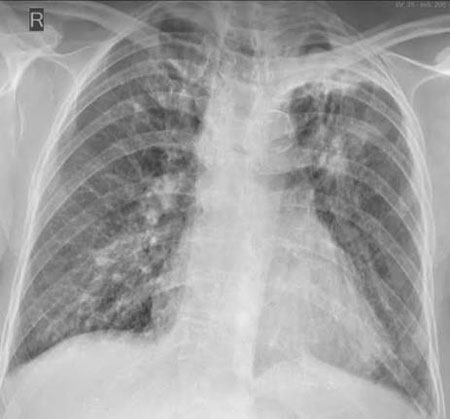
Daijiworld Media Network – Washington Washington, Jul 30: A new study in the United States has highlighted the growing concern over invasive mold infections, suggesting that the potentially deadly illnesses may be more common than previously believed.
Daijiworld Media Network – Washington Washington, Jul 30: A new study in the United States has highlighted the growing concern over invasive mold infections, suggesting that the potentially deadly illnesses may be more common than previously believed. Researchers detected around 450 cases of invasive mold infections in hospitals across the Atlanta region over a five-year period, with nearly one-third of affected patients dying during hospitalisation. The findings, published by the US Centers for Disease Control and Prevention (CDC), mark one of the first attempts to estimate the prevalence of such infections at a local level. Since doctors are not required to report these cases to authorities, the true scale of the problem has remained unclear. "It's kind of the first time we've had an estimate like this," said CDC researcher Dr Jeremy Gold, the senior author of the study. Dr Gold said understanding the issue is important as cases could increase in the future due to factors including climate change, which has contributed to more frequent floods, hurricanes and other events linked to mold exposure. "I agree that the frequency of fungal infections will likely increase with climate change," said Dr Jeffrey Jenks, an infectious disease researcher at Duke University. The study also pointed to the growing number of elderly people and individuals with weakened immune systems as groups at higher risk of severe infections. Invasive mold diseases are rare but serious infections caused by certain types of fungi. Most people become infected by inhaling mold spores, while infections can also occur through wounds or contaminated medical equipment. While healthy individuals are generally unaffected, the infections can become life-threatening for elderly people, cancer patients and those with compromised immunity. Earlier estimates by CDC researchers suggested that more than 15,000 hospitalisations annually could be linked to invasive mold disease. For the latest study, researchers examined records from four Atlanta-area hospitals and their affiliated outpatient clinics between 2020 and 2024. They initially identified nearly 1,000 possible cases before narrowing the number down to around 450 confirmed cases. The study found that hospitals could expect around 3 to 5 cases per year for every 100 inpatient beds, with higher rates reported at larger academic medical centres treating more complex illnesses. Many patients affected had weakened immune systems, while some developed greater vulnerability after suffering from COVID-19. Researchers noted that the study did not determine where individual patients were first exposed to mold, as exposure can occur in hospitals and other healthcare settings as well as outside environments. Dr Gold said the findings may help hospitals assess whether their infection rates are within expected limits or indicate a possible outbreak. Dr Jenks described the research as valuable but added that similar studies from other parts of the US would help provide a broader understanding of the threat.
This is a summary. Read the full article at the original source.
Read full article at daijiworld