

Kalshi’s World Cup Success Signals a New Era for Event Trading Platforms
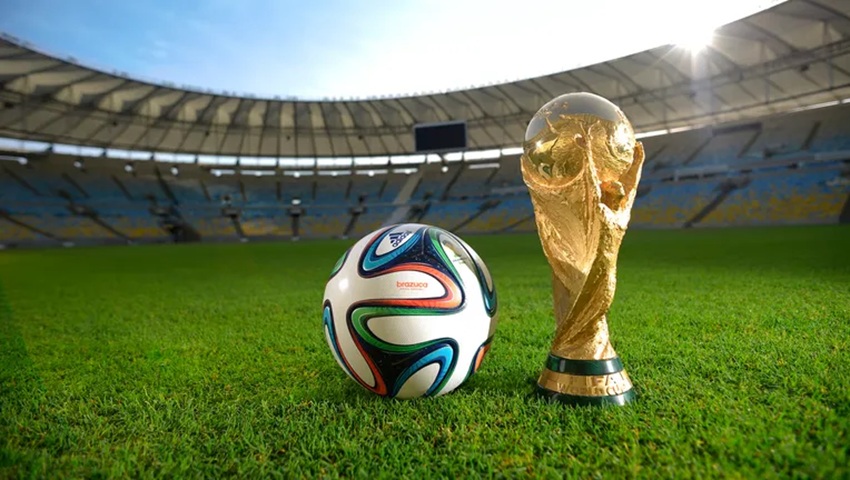
The 2026 FIFA World Cup was not only a triumph for football but also a watershed moment for prediction markets. Among the biggest winners off the pitch was Kalshi, the U.S.-based event trading platform, which reportedly added three million users during the tournament and generated more than $1.2 billion in trading volume on its World [...] The post Kalshi’s World Cup Success Signals a New Era for Event Trading Platforms appeared first on Tekedia .
The 2026 FIFA World Cup was not only a triumph for football but also a watershed moment for prediction markets. Among the biggest winners off the pitch was Kalshi, the U.S.-based event trading platform, which reportedly added three million users during the tournament and generated more than $1.2 billion in trading volume on its World Cup winner market. The figures highlight how major sporting events are increasingly becoming catalysts for financial innovation, blending entertainment, speculation, and technology into a single experience. Kalshi’s success during the World Cup did not happen by accident. The company aggressively positioned itself at the intersection of sports fandom and financial markets. Register for Tekedia Mini-MBA edition 20 (June 8 – Sept 5, 2026). Register for Tekedia AI in Business Masterclass. Join Tekedia Capital Syndicate and co-invest in great global startups. Strategic partnerships with football organizations, high-profile stadium branding, and marketing campaigns featuring global icons such as Luka Modric and Jose Mourinho significantly expanded its visibility. Football fans who may have never engaged with prediction markets before were introduced to the concept through familiar faces and environments. This approach mirrors the strategy employed by major sports betting companies over the past decade. By embedding itself within the football ecosystem, Kalshi effectively transformed prediction markets from a niche financial product into a mainstream consumer experience. For millions of users, trading on World Cup outcomes became another way to engage with matches, much like fantasy sports or betting pools. The company now faces its most difficult challenge: retention. Large sporting events often create temporary surges in user activity that quickly fade once the tournament concludes. The World Cup, with its emotional intensity and global audience, naturally drives extraordinary engagement. But maintaining that momentum after the final whistle is considerably harder. The question facing Kalshi is whether users came for the platform itself or simply for the World Cup experience. If the majority of new participants viewed prediction contracts merely as entertainment during the tournament. User activity could decline sharply in the coming months. To avoid this, Kalshi will need to broaden its appeal by offering compelling markets around politics, economics, technology, entertainment, and other major global events. Prediction markets possess significant long-term potential because they tap into humanity’s natural desire to forecast outcomes. Elections, central bank decisions, corporate earnings, AI breakthroughs, and geopolitical developments all present opportunities for active trading. If properly cultivated, these markets can become valuable information aggregators, often producing forecasts that rival traditional polling and expert analysis. Yet growth is not solely dependent on user behavior. Regulation remains perhaps the biggest obstacle. U.S. regulators continue to debate whether sports-related event contracts constitute legitimate financial instruments or simply another form of sports betting. The distinction is crucial. If regulators classify such products as gambling, platforms like Kalshi could face stricter oversight, licensing requirements, and limitations similar to those imposed on sportsbooks. Supporters of prediction markets argue that these contracts serve broader economic and informational purposes. Market prices aggregate collective expectations and can provide real-time insights into probabilities surrounding important events. Critics, contend that contracts tied to sports outcomes are functionally indistinguishable from traditional betting products. This regulatory uncertainty creates a difficult balancing act. Kalshi must continue innovating and attracting users while simultaneously defending its business model in legal and policy arenas. The World Cup demonstrated that prediction markets can achieve mainstream appeal when paired with globally significant events. Three million new users and over $1.2 billion in trading volume represent a remarkable milestone for an industry that, until recently, remained largely on the fringes of finance. Whether this moment becomes a lasting transformation or merely a temporary spike will depend on two factors: Kalshi’s ability to retain and diversify its user base, and regulators’ willingness to define prediction markets as a legitimate new asset class rather than a sophisticated form of gambling. The post-World Cup period may ultimately determine not only Kalshi’s future but also the future of prediction markets in the United States.
This is a summary. Read the full article at the original source.
Read full article at tekedia