

Ranchers counting livestock losses
As floodwaters receded across Uvalde County last week, they left behind washed-out fences, waterlogged fields and an unknown number of missing livestock, poultry and companion animals. After dealing with years of drought and a renewed bout with New World screwworm, area producers along the Leona, Frio and Nueces rivers are beginning the process of assessing damage to crops, agricultural infrastructure [...] The post Ranchers counting livestock losses first appeared on Uvalde Leader News .
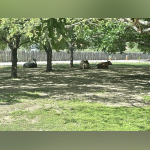
As floodwaters receded across Uvalde County last week, they left behind washed-out fences, waterlogged fields and an unknown number of missing livestock, poultry and companion animals. Ruben Nolacso After dealing with years of drought and a renewed bout with New World screwworm, area producers along the Leona, Frio and Nueces rivers are beginning the process of assessing damage to crops, agricultural infrastructure and livestock operations. Uvalde County Sheriff Ruben Nolasco said ranchers have asked since the flood if deputies have come across any loose cattle. He added that several area ranches have extensive fencing damage. Deputies encountered three loose cattle July 21 on Highway 55. Authorities believe the animals escaped through flood-damaged fencing, and, as of July 22, had not identified their owners. County extension agent Noel Troxclair said it is possible that some of the unaccounted animals drowned, but he thinks some of the missing likely escaped. “Some of those animals will be recovered over time, but some also drowned and may or may not be found,” Troxclair said. He also said area growers could see a reduced cotton yield due to the extended period of cloud cover, rainfall and saturated soils. “It will take some time to understand how much loss will occur,” Troxclair said. The U.S. Department of Agriculture is gathering area loss and damage assessment reports, but says it can’t share the extent of livestock or produce loss, if any, due to privacy laws. The Livestock Indemnity Program offers assistance to producers who experience excessive livestock death due to adverse weather or animals reintroduced into the wild by the federal government. The deadline to apply for the program is March 1, 2027. The Uvalde County Sheriff’s Office made a Facebook post about three cattle found lounging under trees along Highway 55 on July 21. The cattle were believed to have escaped from a ranch during recent flooding. (Photo courtesy of Uvalde County Sheriff’s Office) Screwworm risk Ahead of the storm, the Texas Animal Health Commission mobilized extra field agents to conduct livestock inspections and collect samples in the area. Livestock wounded during the flooding also face an increased risk of screwworm infestation. The commission is concerned that due to ideal environmental conditions, the area could see additional screwworm activity. The commission said that it is more important now than ever that producers monitor their livestock for wounds and treat them promptly. The TAHC stressed that human life is the priority, and asked that producers not put themselves in harm’s way. Jimmy Speer, owner of Southwest Livestock Exchange, confirmed that many area ranchers are missing livestock and that discovery of livestock death is anticipated. The longtime cattle rancher said he has never experienced a flood of this proportion. kalejandro@ulnnow.com , 830-278-3335 The post Ranchers counting livestock losses first appeared on Uvalde Leader News .
This is a summary. Read the full article at the original source.
Read full article at uvaldeleadernews