

Why homemade beverages now require village approval
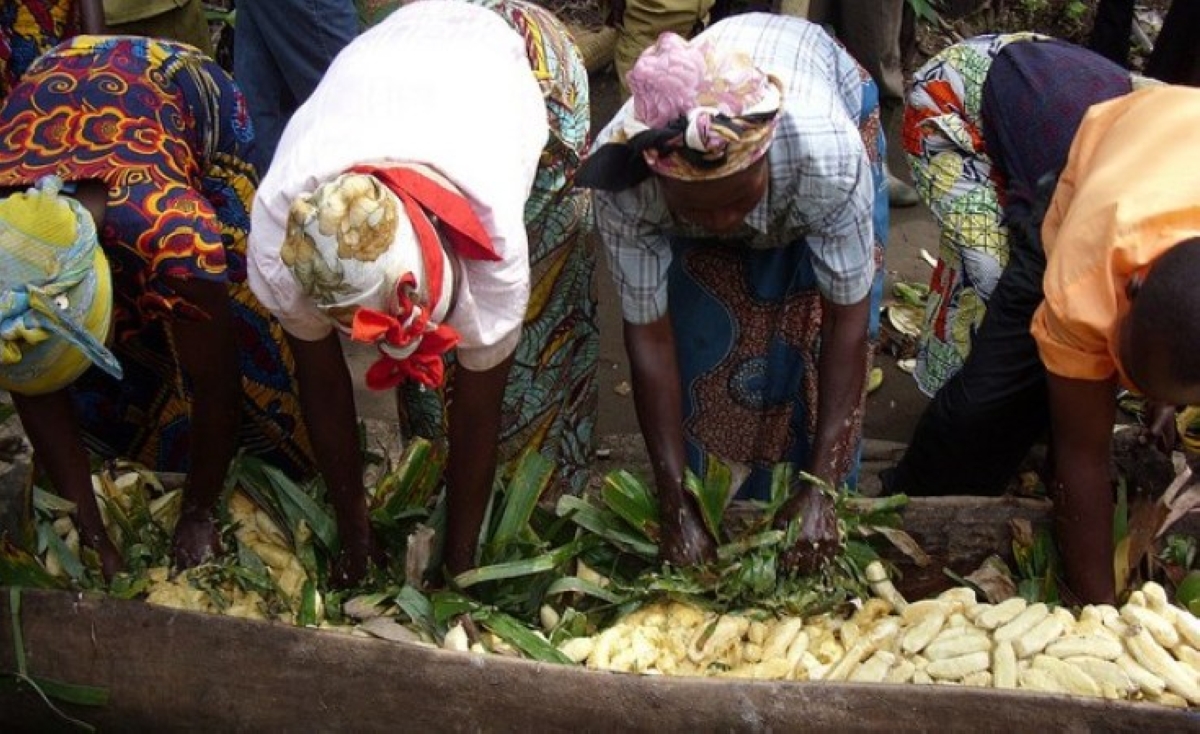
Last week, the government released new guidelines on homemade beverages, requiring village approval for those who make them. Under the new requirements, anyone intending to prepar...
Last week, the government released new guidelines on homemade beverages, requiring village approval for those who make them. Under the new requirements, anyone intending to prepare beverages such as urwagwa, ikigage, ubushera, fruit juices for public events such as weddings or community celebrations must first seek authorisation from the village administration. At the grassroots level, local leaders say implementation is focusing on hygiene rather than prohibition. Beata Mukansaga, the village leader of Gitega Village in Ruhango District, said residents were informed about the new requirements during security and administrative meetings. “Many people thought we had banned alcohol, but the objective is not to ban traditional drinks. The objective is to promote hygiene,” she said. Mukansaga said the guidelines apply especially to beverages intended for public consumption. She explained that authorities are paying particular attention to the cleanliness of ingredients, production sites and serving containers. “Many people used to share the same litre container or calabash, with many individuals drinking from the same vessel while eating together. Hygiene is the key issue,” she said. According to Mukansaga, village leaders are encouraging anyone seeking authorisation for an event to ensure that beverages are prepared, stored and served in sanitary conditions. She said most residents in her village have gradually begun complying with the requirements after receiving practical guidance. ALSO READ: Homemade beverages now require village approval under new rules The approval process, according to officials, aims to help authorities identify where beverages are being produced and ensure that the production and serving environments meet basic hygiene standards before drinks are consumed by large groups of people. The Minister of Health Dr. Sabin Nsanzimana says the new controls are linked to a rise in deaths and serious illnesses associated with illicit and adulterated alcohol. Nsanzimana said 44 people have died this year after consuming unsafe alcoholic beverages, while others suffered blindness, severe illness or long-term health complications. “Those people were healthy when they went to drink, but after consuming the alcohol they returned in critical condition. Some died, some became blind, and others continue to suffer serious health effects,” he said. According to the minister, some illicit producers have been found mixing alcohol with dangerous substances such as methanol and other chemicals that can damage the brain and internal organs. The ministry is also intensifying awareness campaigns during the current holiday and celebration season, when demand for locally produced beverages tends to increase. Families make effort to adapt: Anastase Ntamuhanga, a resident of Karagarama Village in Gitoki Sector, Gatsibo District, says the new guidelines have changed how families prepare for weddings and other community celebrations. “The guidelines reached us, and we now know that before holding a wedding or another public celebration, you first go to the village office and then to the cell office, where your request is stamped,” he said. Ntamuhanga said the biggest source of confusion in his community has been the restrictions on fruit juices (umutobe) prepared for public events. ALSO READ: Deadly cocktails: Inside Rwanda’s crackdown on toxic homemade brews “We can understand the concern because authorities fear that some producers may add harmful substances or handle the drinks in unhygienic conditions, and such drinks can cause serious health problems,” he said. At the same time, he said many residents do not fully understand why traditional beverages such as sorghum-based brew also require authorisation. “Traditional sorghum brew is made from sorghum, and when it is prepared properly it can last for a long time without causing problems. Many people are asking why authorisation is required for a drink that has traditionally not caused widespread health issues,” he said.
This is a summary. Read the full article at the original source.
Read full article at newtimes